
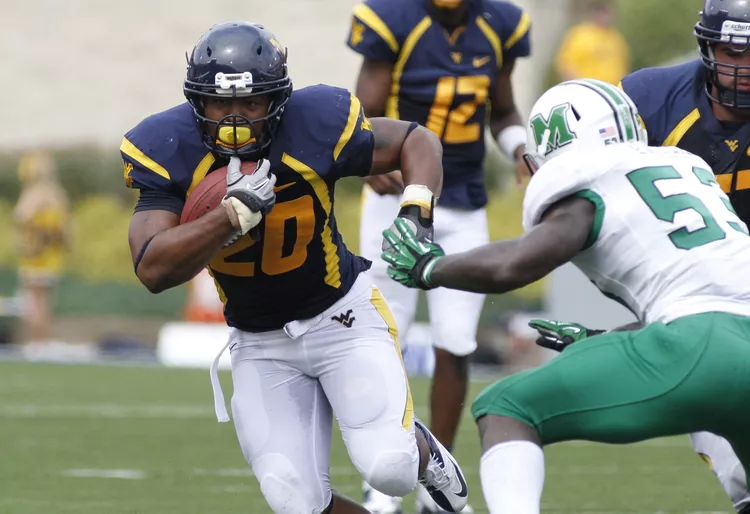
Name, image, and likeness rules allow many college athletes to earn compensation from endorsements, appearances, social media promotions, camps, and other commercial activities. The legal framework is not one nationwide statute. Athletes may face NCAA rules, school policies, state NIL laws, contract requirements, tax obligations, and intellectual-property restrictions at the same time.
How NIL Deals Work Under Current Rules
A legitimate NIL agreement generally pays an athlete for a defined commercial use of the athlete’s identity. Examples include sponsored posts, autograph events, advertisements, endorsements, or appearances. Compensation tied only to athletic performance or enrollment can raise different compliance issues.
Current NCAA guidance states that permitted third-party NIL arrangements need a valid business purpose and genuine promotional activity. NCAA materials also distinguish NIL compensation from prohibited pay-for-play arrangements.
The NCAA’s current NIL guidance provides a useful starting point for Division I participants. NCAA NIL guidance
Deal Terms and Disclosure Duties
The written agreement matters as much as the dollar amount. Athletes should understand required appearances, posting schedules, licensing duration, exclusivity provisions, cancellation rights, use of photographs, and whether a sponsor can continue using content after the deal ends.
Online research can lead athletes through unrelated digital catalog resources, contract discussions, and promotional material, making it important to separate general web content from actual school or legal requirements.
Division I reporting requirements are particularly important. Current NCAA materials state that qualifying third-party NIL arrangements valued at $600 or more can trigger reporting requirements, with special timing rules for prospects and transfers.
School Policies Can Add Another Layer
Schools may impose procedures governing disclosure, use of university marks, access to facilities, conflicts with team sponsors, and communication with compliance personnel. A deal that is lawful under state contract law may still create eligibility or institutional-policy concerns if required procedures are ignored.
Students comparing policies sometimes encounter independent media coverage alongside official university materials. For compliance questions, the school’s written policy and governing athletics rules carry more weight than general commentary.
NCAA guidance specifically tells athletes to review both campus NIL policies and applicable state law and to communicate with their compliance office.
Rights, Branding, and Contract Limits
An athlete controls certain rights connected to personal identity, but that does not automatically grant permission to use a university logo, trademark, uniform design, copyrighted photograph, or third party’s intellectual property.
Broader regional publishing material may discuss sports and business issues, but rights questions should be checked against the actual contract and governing law.
| Issue | What to Check | Possible Problem |
|---|---|---|
| Deal disclosure | School and athletics rules | Eligibility consequences |
| Brand use | Trademark permission | Unauthorized logo use |
| Exclusivity | Existing sponsor agreements | Conflicting obligations |
| Content rights | Duration and reuse terms | Long-term loss of control |
What Athletes Often Get Wrong
One common mistake is assuming NIL freedom means an athlete can sign any commercial contract without restrictions. Contract language, school policies, state statutes, intellectual-property rights, and athletics rules can all matter.
Another mistake is focusing only on payment. A long licensing period, broad exclusivity clause, automatic renewal term, or unrestricted content-use provision may carry consequences well beyond the initial compensation. A deal should therefore be evaluated as a contract, not simply as an opportunity to receive money.
When Legal Help May Be Worth Considering
Legal review may be useful when an agreement involves substantial compensation, long-term exclusivity, an agent or marketing representative, international athletes, unclear intellectual-property rights, or a dispute over cancellation or payment.
Prompt advice can also matter when a school questions eligibility, a sponsor alleges breach of contract, or another party continues using an athlete’s NIL after authorization has expired. State law can materially change the available rights and remedies.
Frequently Asked Questions
Can a college athlete sign an endorsement contract?
Generally, yes, subject to applicable NCAA rules, school policies, state law, and the terms of the proposed deal. The agreement should involve genuine NIL activity rather than disguised compensation solely for athletic participation.
Do NIL deals have to be reported?
Some do. Reporting obligations depend on division, status, deal value, timing, governing athletics rules, and potentially state or institutional requirements. Division I currently has specific reporting procedures for qualifying arrangements.
Can athletes use their school’s logo in an NIL advertisement?
Not automatically. School names, logos, photographs, uniforms, and other branding may be protected by trademark, copyright, licensing agreements, or institutional policies. Permission may be required.
Review the Contract Before Committing
NIL opportunities can create meaningful income, but the signature on the contract controls far more than the headline payment. Athletes should understand what they must do, what rights they are granting, how long those rights last, and what their school requires before proceeding. A careful review before signing is easier than trying to repair a restrictive or disputed agreement later.
This article provides general legal information and is not a substitute for advice from a qualified attorney.